Steam · Roll · Dry
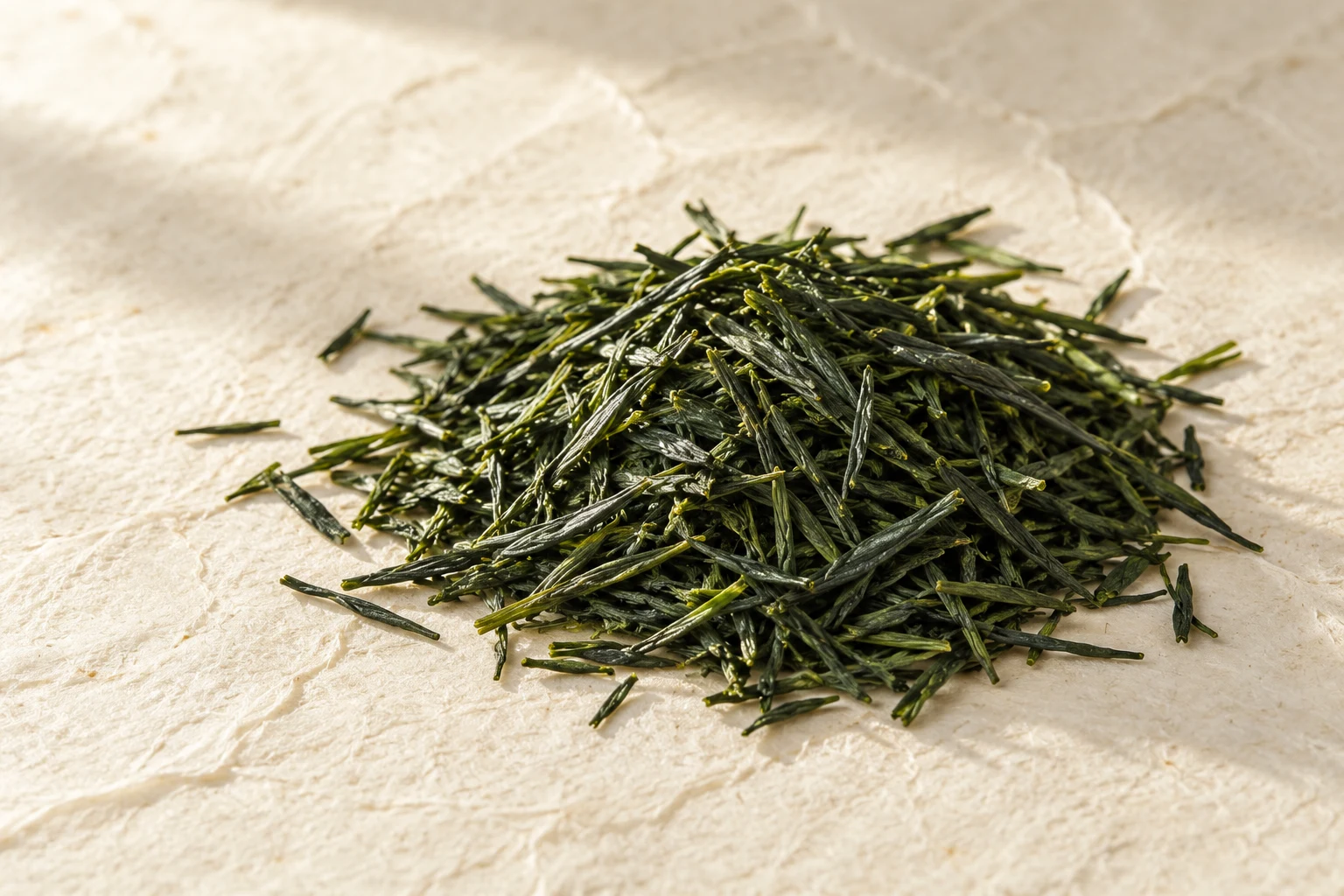
Sencha
煎茶Infuse the leaves in water.
YAME, FUKUOKA · JAPAN
Yame Gyokuro. Shade-grown in Japan.
Rich in umami. Savored slowly.
WHAT MAKES IT EXCEPTIONAL
Before the first sip, there is a different way of seeing tea. Gyokuro is a shade-grown Japanese green tea, served as an infusion of whole leaves. Its appeal lies in concentrated umami, mellow sweetness and the way its character changes with each infusion.
Matcha is whisked as a powder. Gyokuro is steeped as leaves. Discovering this other expression of Japanese tea starts with a small cup—and a little time.
A CLOSER LOOK AT JAPANESE TEA
Sencha, gyokuro and matcha all come from the tea plant, Camellia sinensis. Shade, rolling and milling lead to different expressions in the cup.
Camellia sinensis
Steam · Roll · Dry
Infuse the leaves in water.
Steam · Roll · Dry
Infuse the leaves in water.
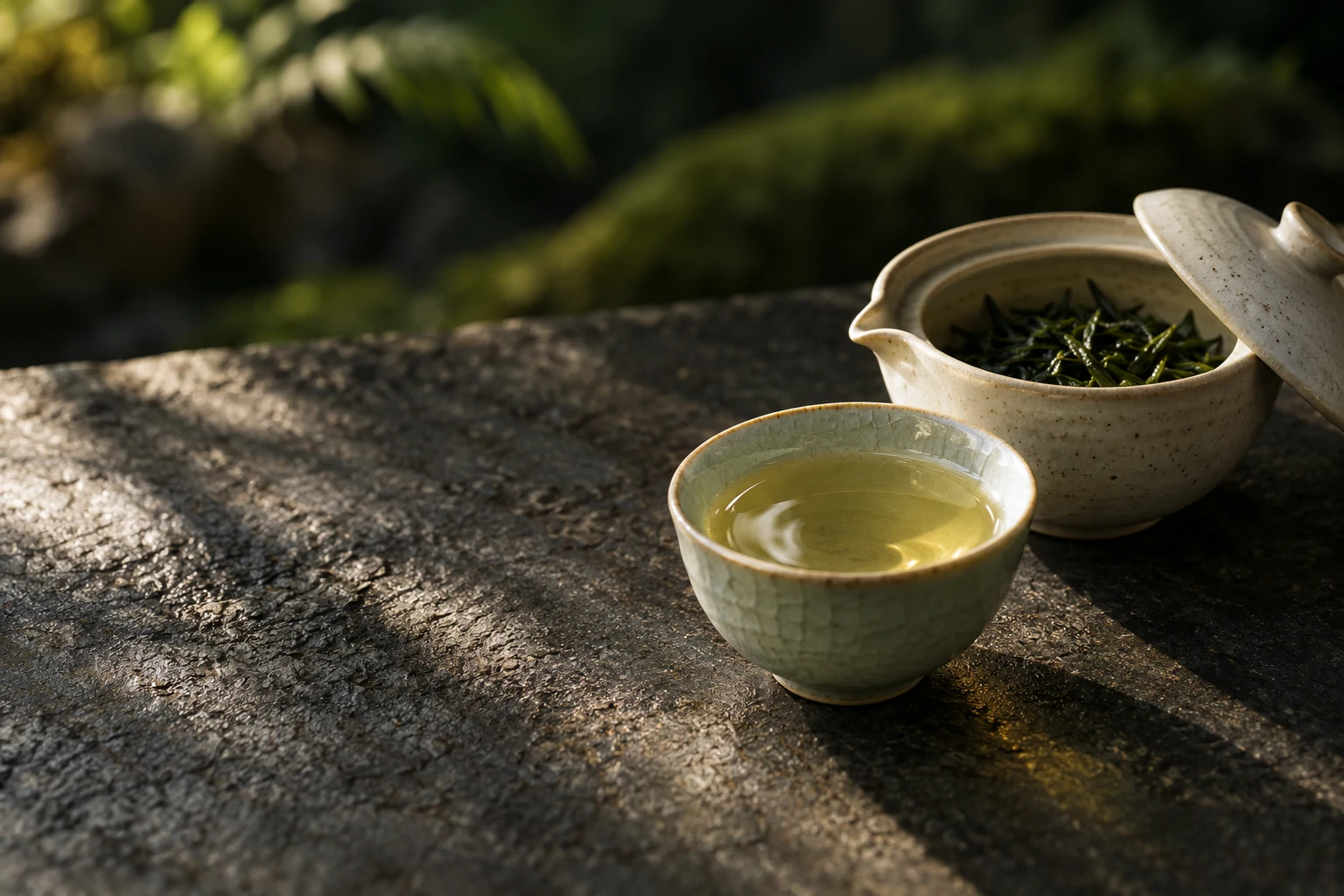
Steam · Dry without rolling
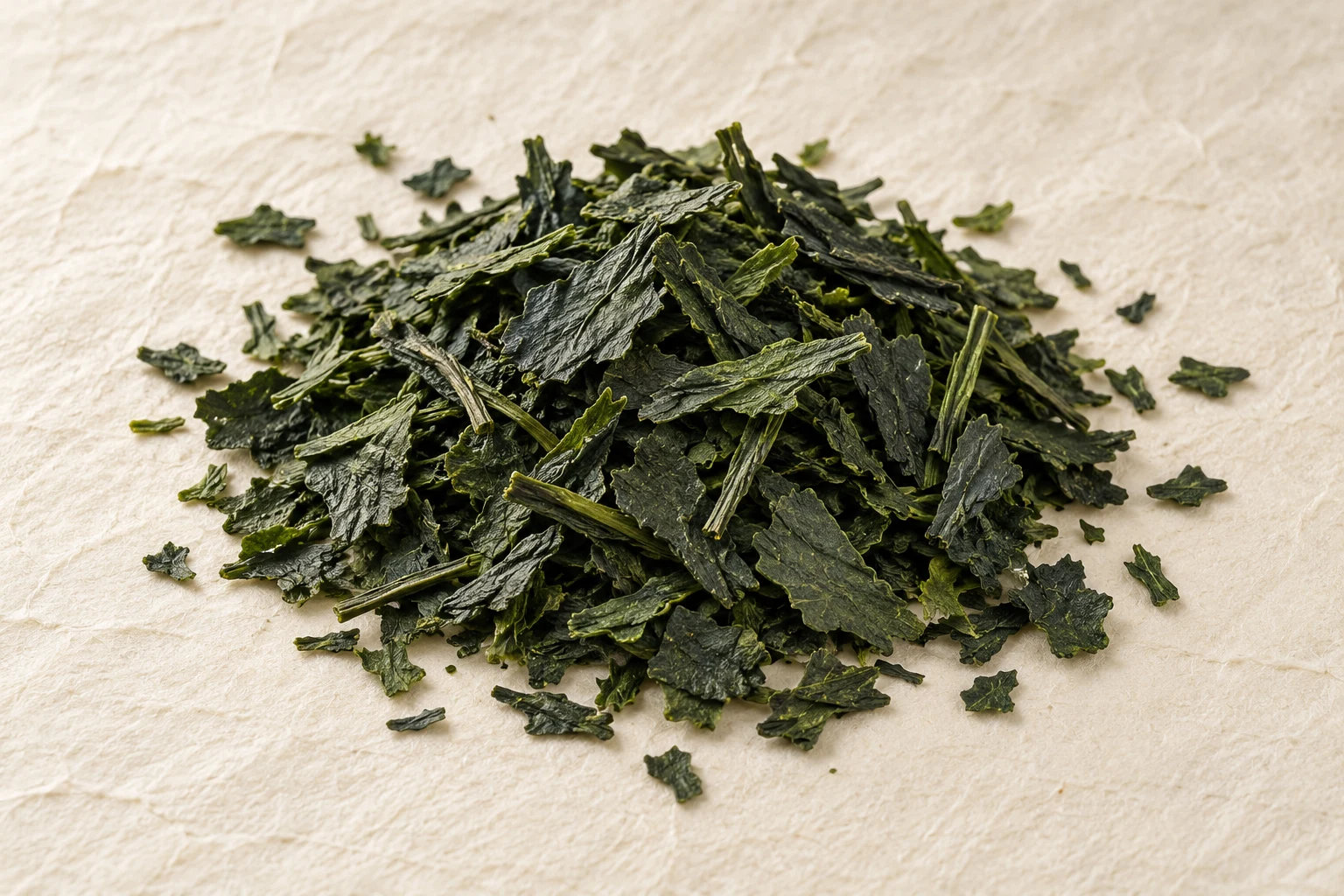
Primarily used to make matcha.
Mill into a fine powder
Mill into a fine powder
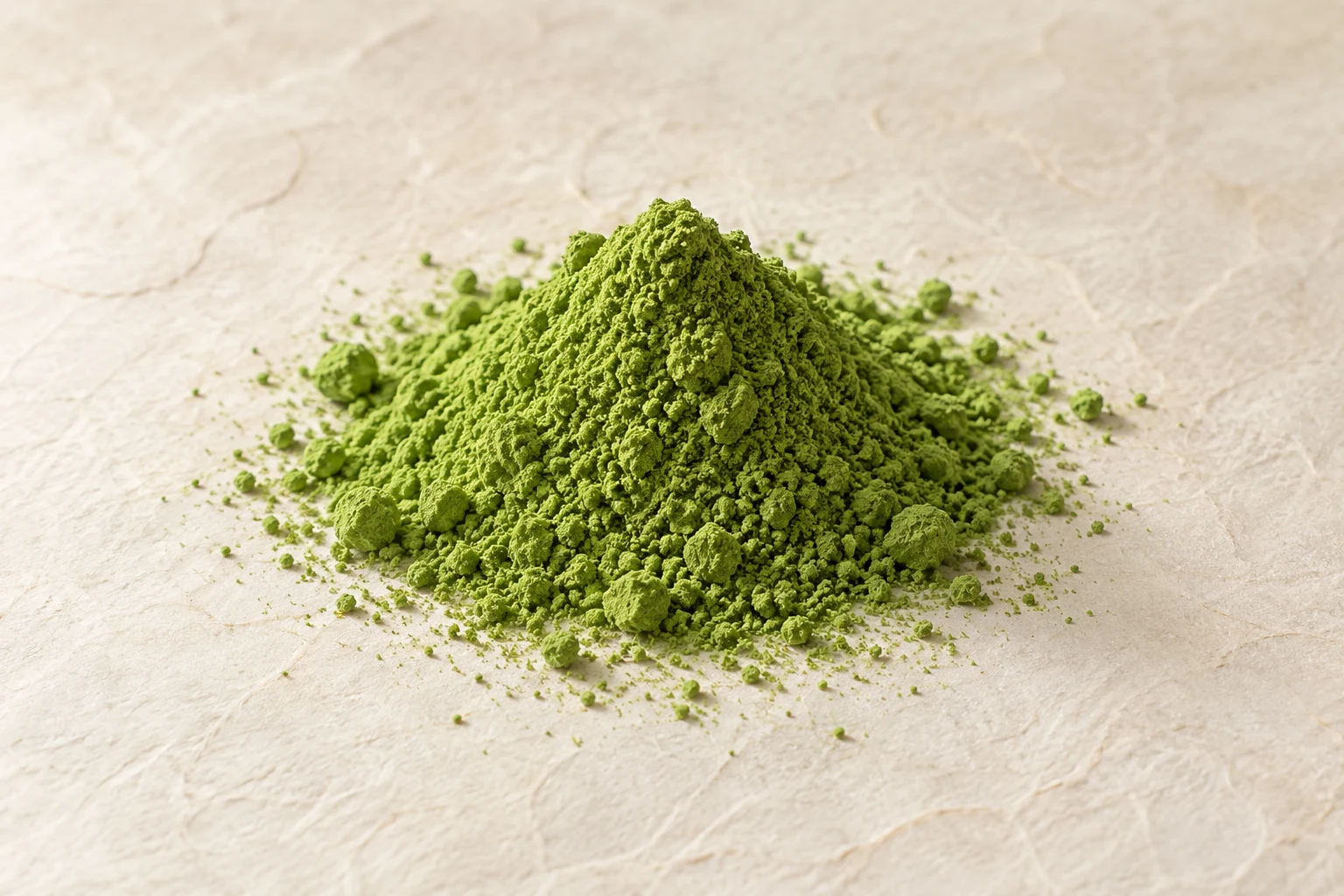
Whisk the powder into water, or mix into other drinks.
Steam · Roll · Dry
Infuse the leaves in water.
Steam · Roll · Dry
Infuse the leaves in water.
Steam · Dry without rolling
Primarily used to make matcha.
Mill into a fine powder
Mill into a fine powder
Whisk the powder into water, or mix into other drinks.
Tea images are illustrations, not photographs of the selected product.
Same plant species, different tea styles. Cultivars can differ, and variety, place and craftsmanship also shape the flavor. This is an overview of typical methods.
Tea styles explained · MAFF ↗FOR THOSE WHO APPRECIATE THE DETAILS
The shade before harvest. The temperature of the water. The character of each infusion. Gyokuro invites you to notice the details—and enjoy what they reveal. The methods below describe the tea style; specifics of our selected tea will follow with the final product.
Tea bushes are shaded before picking. This helps preserve the amino acids associated with gyokuro’s umami and mellow sweetness.
After steaming, the leaves are rolled and dried. Unlike tencha, the leaf used for matcha, gyokuro is rolled for brewing as a loose-leaf tea.
A small volume of cooler water brings umami into focus. Later infusions invite you to explore another side of the same leaves.
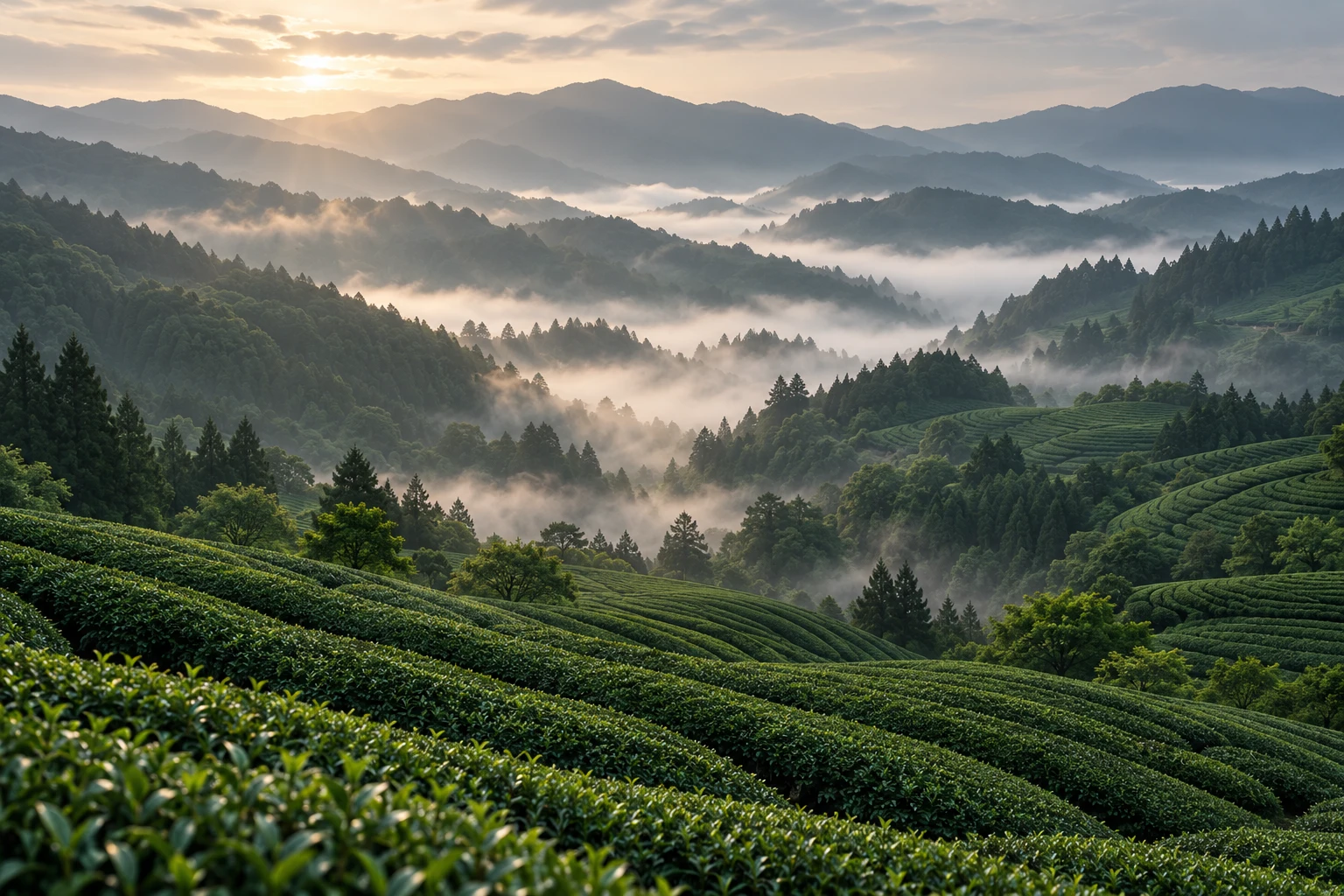
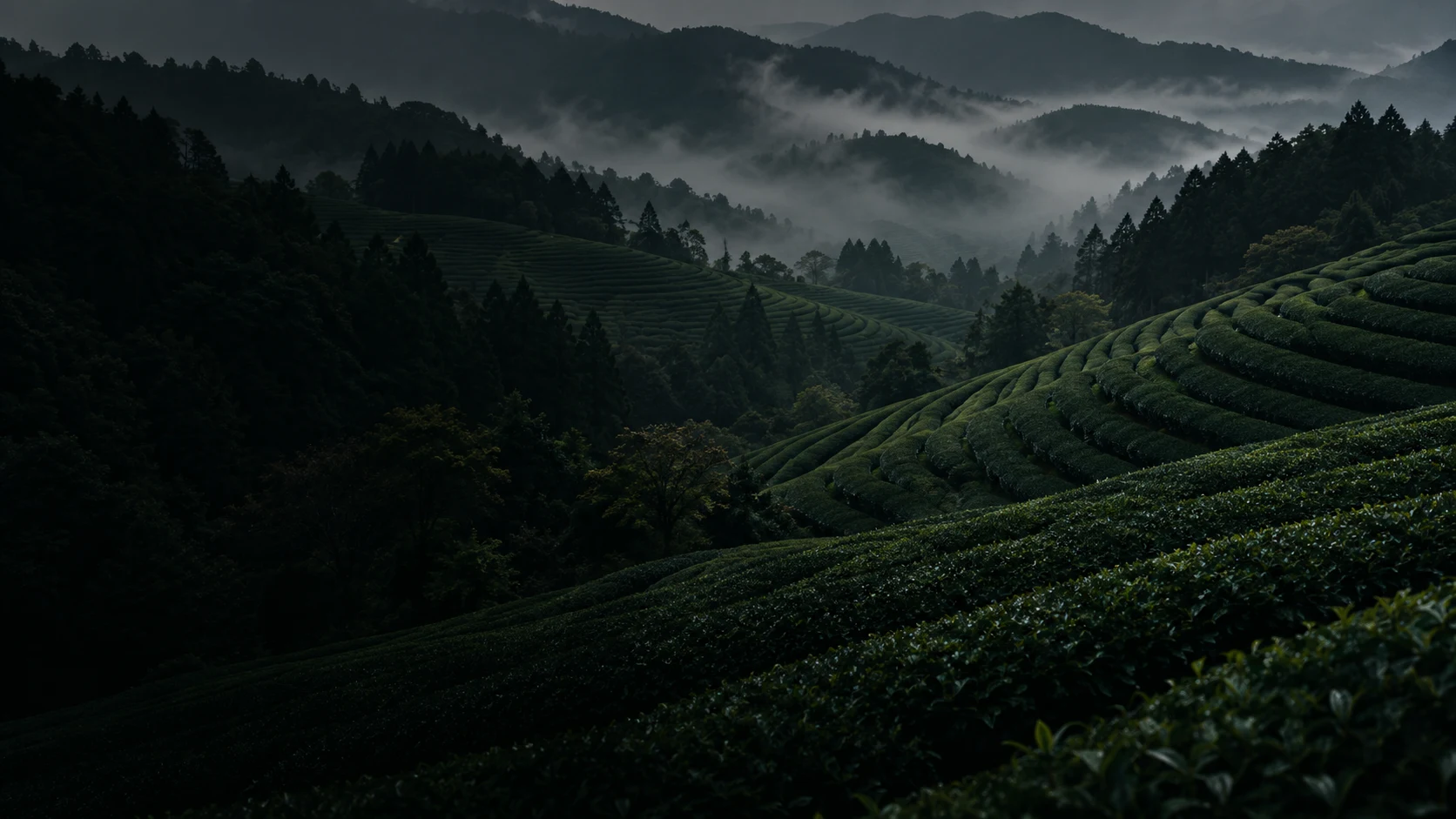
Imagined tea-growing landscape · AI-generated illustration
WHY YAME
In the hills of southern Fukuoka, cool mornings, mist and changing temperatures form part of Yame’s tea-growing environment. Its tea heritage reaches back centuries, with a gyokuro tradition dating to the early 1900s. Place and accumulated knowledge give this tea its context.
At the 2025 National Tea Competition, Yame City ranked first for its gyokuro entries in the regional award, for the 25th consecutive year. This recognizes the producing region, not an award for this proposed product.
Rich umami, mellow sweetness and the pleasure of successive infusions. The point of origin gives the story a place; the cup makes it personal.
The traditional origin of tea cultivation in Yame.
Gyokuro was first trialled in Hoshino, now part of Yame City.
A distinguished origin. A taste to discover for yourself.
THE PEOPLE BEHIND THE TEA
This project began with a connection to JA Fukuoka Yame. We are developing a gyokuro brand with that local connection as our starting point: to bring the tea, its origin and the experience of drinking it together.
The producer, cultivar, harvest and specific lot will be shared once the tea selection is confirmed.
A PRIVATE COLLECTION
Purchasing is reserved for members. Everyone is welcome to discover the tea, its origin and the pleasure of enjoying it.
For Members ↗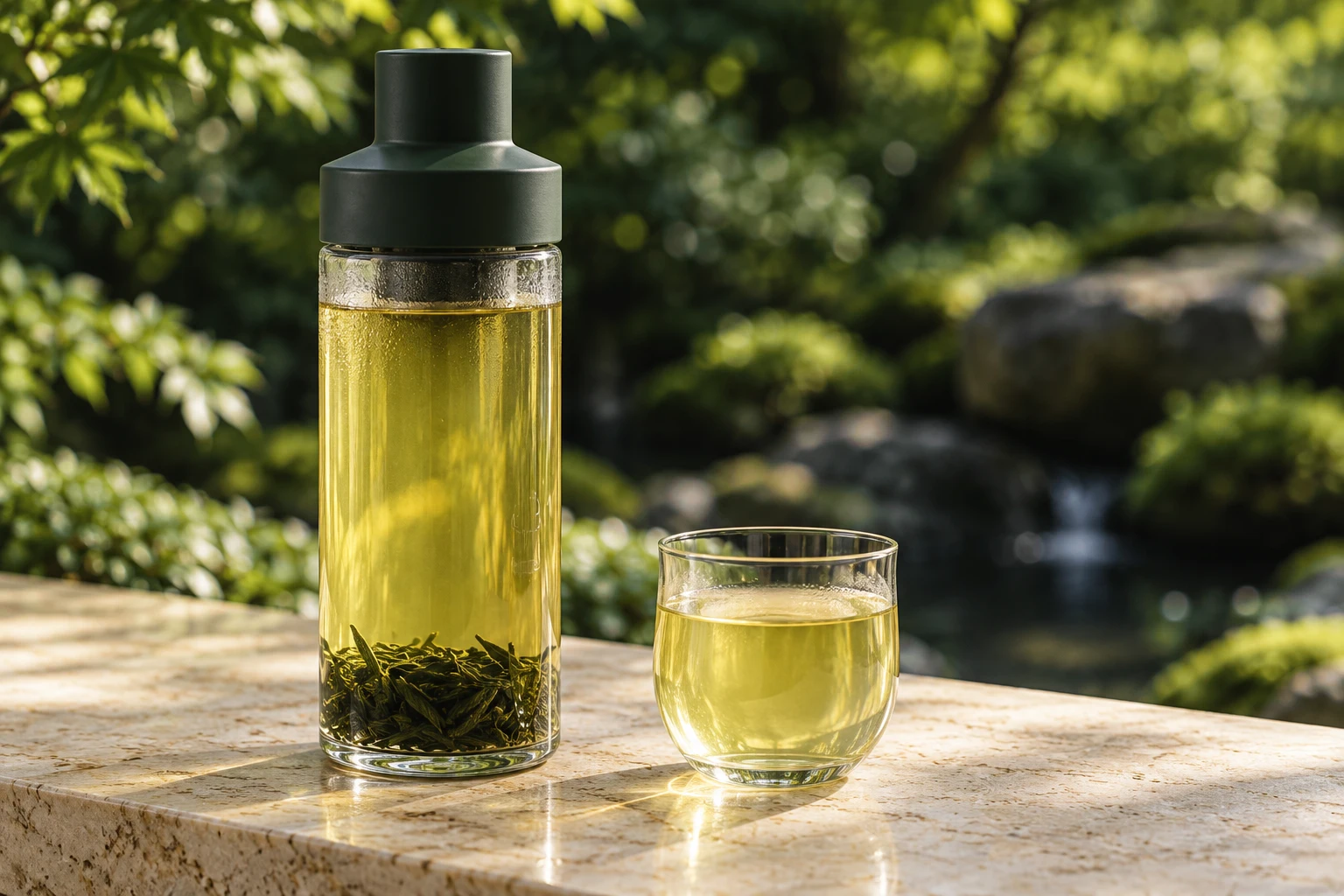
THE EXPERIENCE
Start with the way that fits your day. Cold brew in a bottle, or take time over a warm infusion. A Japanese teapot is optional; the pleasure of discovering the tea is yours.
01 / COLD BREW
An easy place to begin.
A filter bottle, or a clean container and a fine-mesh strainer, is enough. Make room for gyokuro in your everyday routine.
Place the leaves in your container and add drinking water.
Refrigerate while the tea infuses. Follow your pack’s guidance for quantities and timing.
Remove or strain the leaves and pour into a glass.
The cold-brew recipe will be finalized with the selected tea. Bottles and filters are serving suggestions, not confirmed gift accessories.
02 / WARM INFUSION
A little time. A deeper taste.
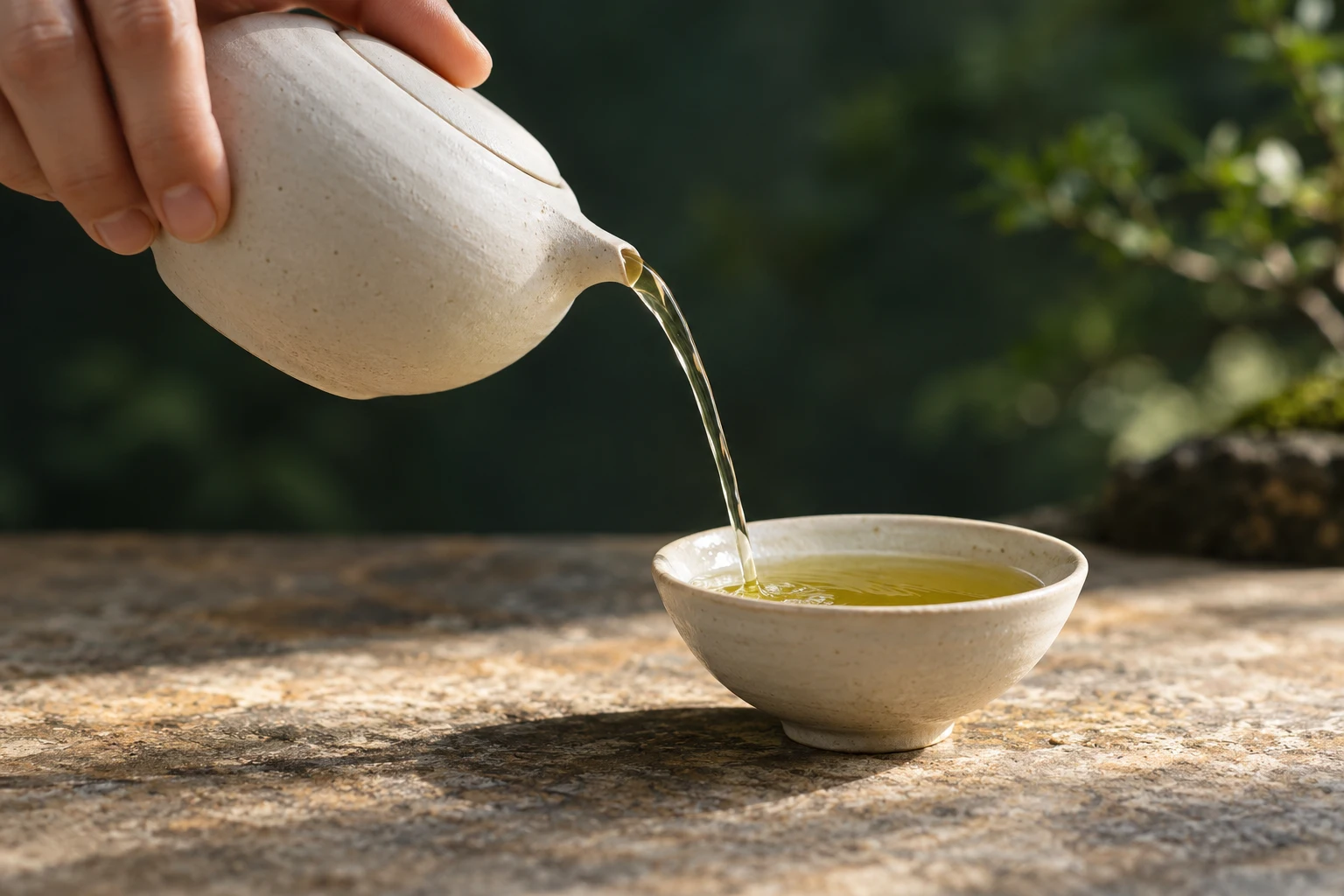
Use a small teapot or tea infuser. Cooler water and a measured pour invite you to explore the tea, one small cup at a time.
Explore warm brewing ↓A starting point for two or three small cups
Boil fresh water, then let it cool. Cooler water reveals gyokuro’s umami and gentle sweetness.
Add water to the leaves and let them infuse. Start with 2½ minutes and adjust to your taste.
Pour slowly, sharing evenly between cups. Drain the pot fully so the leaves do not keep steeping.
THE SAME LEAVES. A NEW PERSPECTIVE.
One serving of leaves can offer more than one experience. Select an infusion and discover a different way to pay attention.
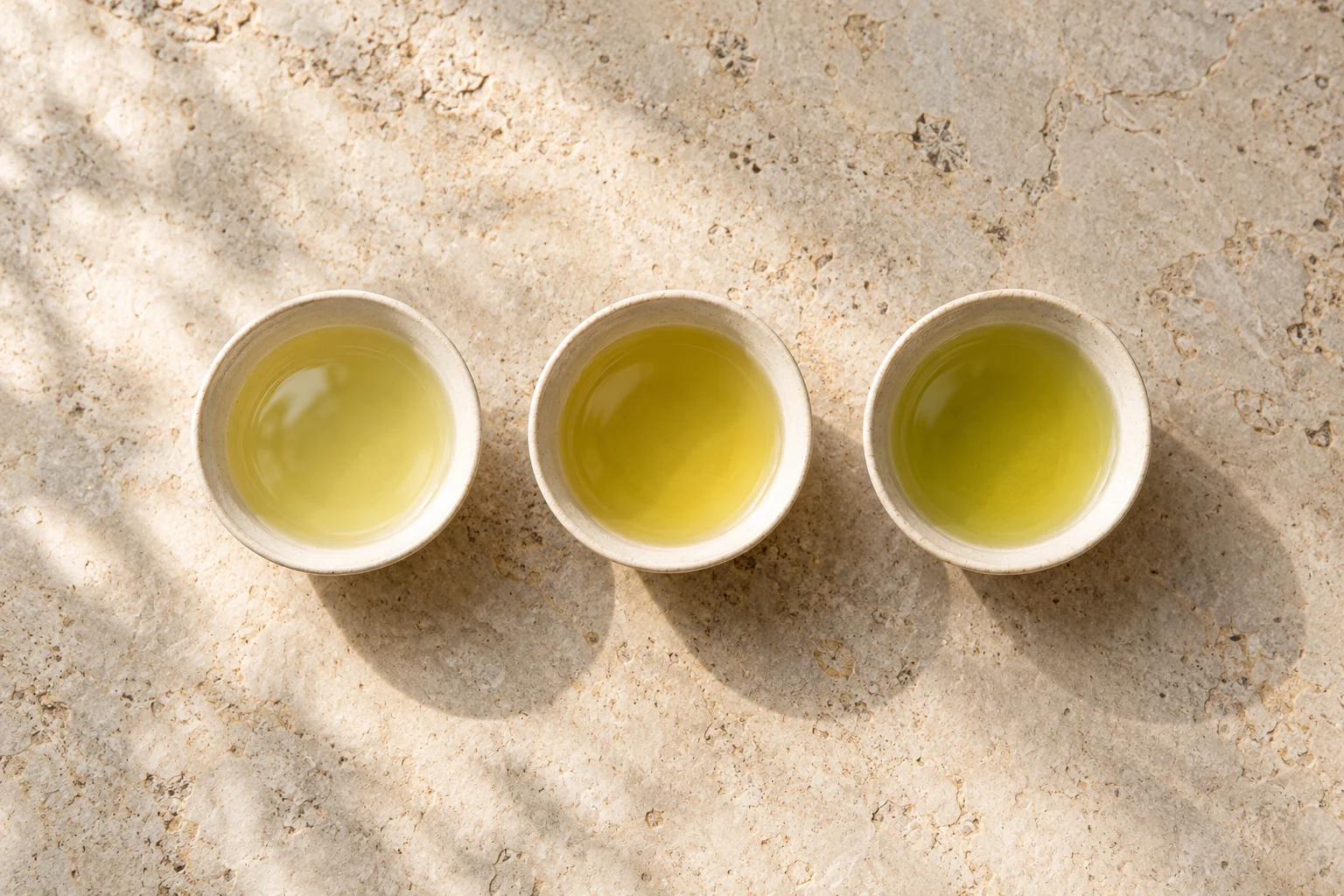
Take a small sip. Notice the umami, sweetness and texture, then pause to see what lingers.
What stays with you after the first sip?
Use the same leaves again. Compare this cup with your first: what feels different in the aroma, texture or finish?
Try a slightly warmer infusion and a shorter steep, following your pack’s guidance.
Return to the leaves once more, if they still have flavor to give. Let your own preferences guide the experience.
Which infusion would you choose to share?
An invitation to explore, rather than a fixed tasting profile. Use the instructions on your pack for water temperature and steeping time.
A general brewing guide, not a confirmed recipe for the final product. Follow the instructions on your pack if they differ.
A FEW DETAILS
They are different styles of Japanese green tea. Both are grown under shade, but gyokuro is a loose-leaf tea to infuse. Matcha is made by grinding tencha into a fine powder.
A filter bottle works for cold brew. You can also use a clean container and strain the leaves before serving. For a warm infusion, a small teapot or tea infuser works well.
Keep it tightly sealed in a cool, dry place, away from sunlight and strong odors. Follow the storage and best-before instructions on the final package.
Purchasing is available exclusively to members. Visit For Members for information. For corporate gifts and collaborations, please visit Collaborate.
COLLABORATE
From corporate gifts to bespoke collaborations, discover what we can create together.
Explore collaborations ↗